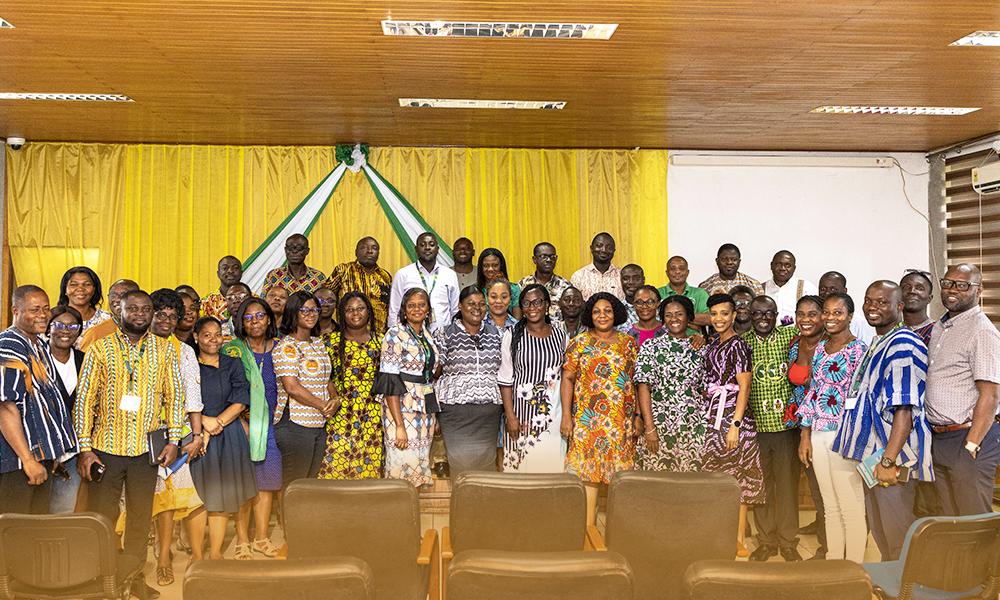

‘Resource Mobilisation Is No Longer the Preserve of Academic Staff Alone’ — KNUST Registrar to Senior Administrators
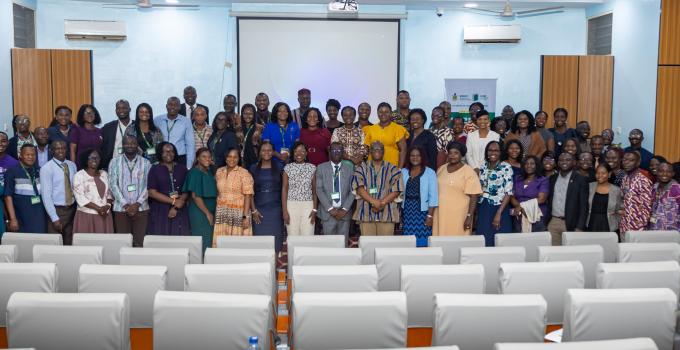
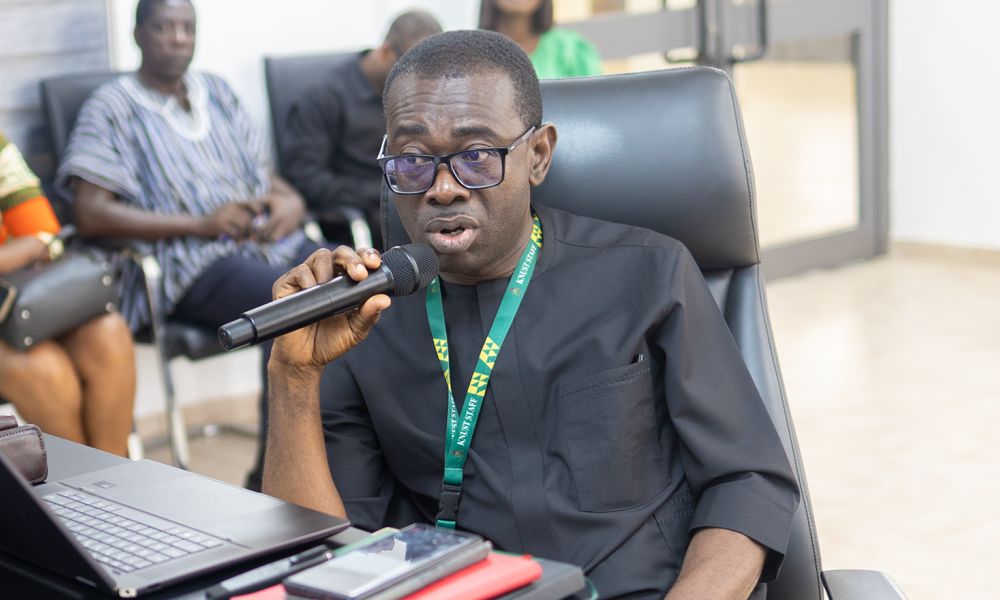
Mr. Benjamin Boampong Owusu, Registrar of the Kwame Nkrumah University of Science and Technology, Kumasi (KNUST) has urged senior administrative staff to play a more proactive role in resource mobilisation and grant acquisition, stressing that attracting external funding is no longer the sole responsibility of academic staff but a shared institutional obligation.
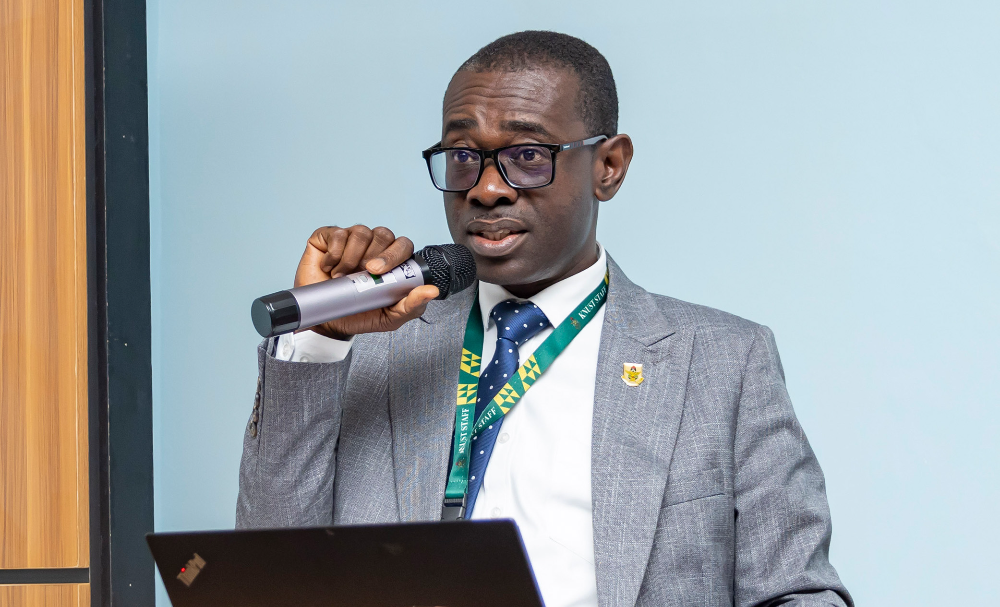
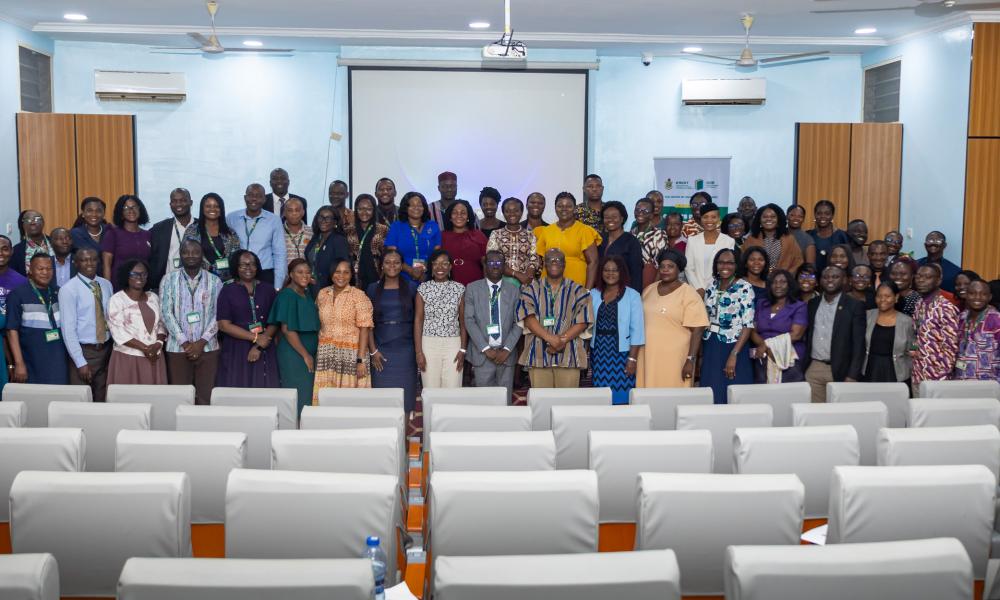
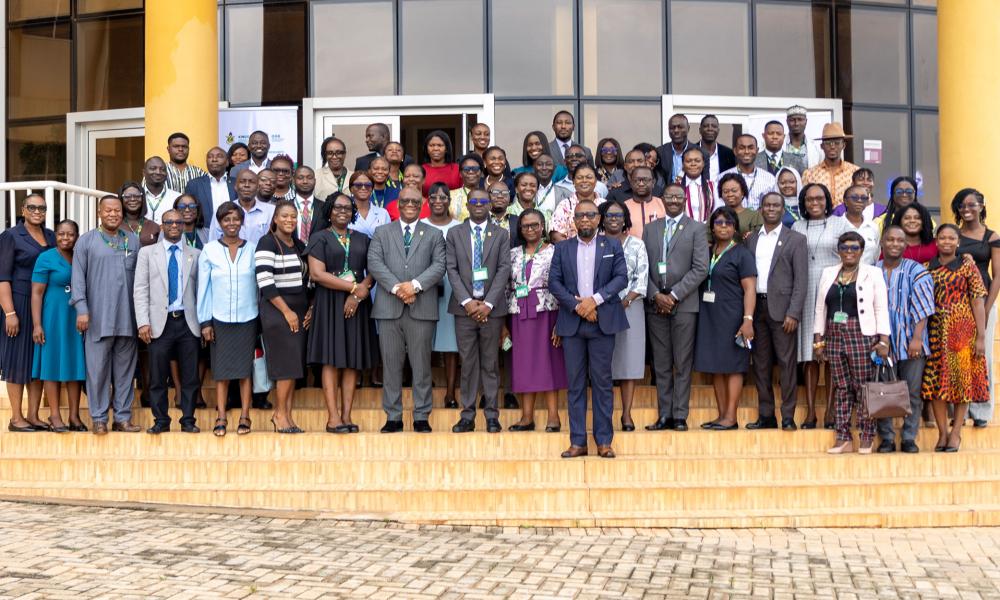
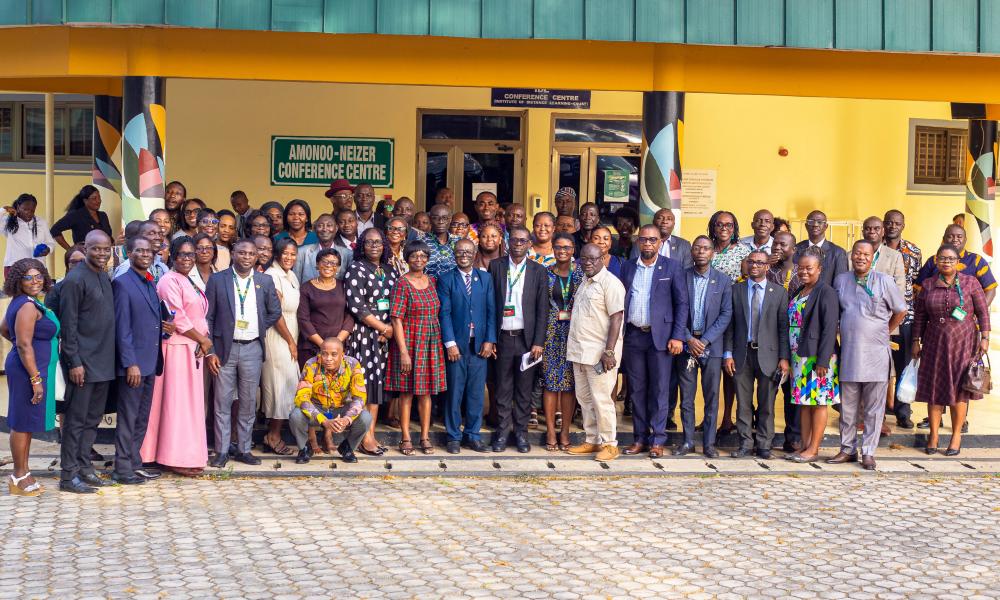
Speaking at the closing ceremony of a two-day Grant Proposal Writing Workshop organised in collaboration with the Office of Grants and Research (OGR), the Registrar described grantsmanship as an essential leadership competency in contemporary higher education that should be embraced by both academic and administrative leaders.
"One important lesson emerging from this workshop is that resource mobilisation is no longer the preserve of academic staff alone. As Registrars and administrators, we have a responsibility not only to facilitate these processes but also to champion initiatives that attract external funding and partnerships to advance the strategic priorities of the University," Mr. Owusu stressed.
He encouraged participants to apply the knowledge gained during the workshop to strengthen institutional capacity, enhance resource mobilisation efforts and contribute meaningfully to KNUST's pursuit of excellence.
"The true measure of the success of this workshop will not be the knowledge we have acquired, but how effectively we apply that knowledge within our respective offices, colleges and units," he added.
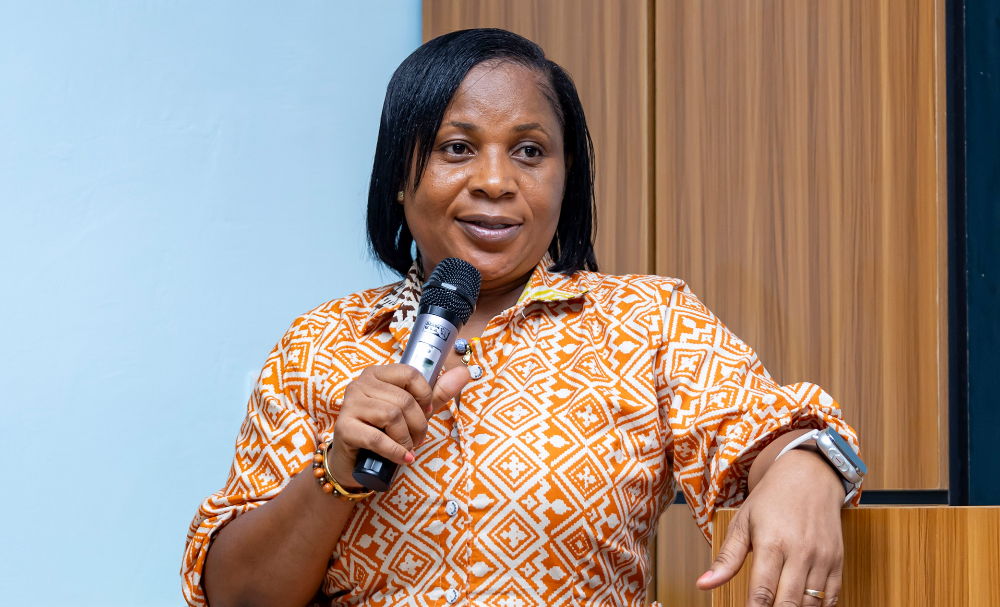
During the workshop, Professor (Mrs.) Adwoa Bemah Boamah Mensah, an early-career researcher and Associate Professor in the Department of Nursing, shared practical insights from her grantsmanship journey and outlined strategies for building a sustainable grant portfolio.
She emphasised the importance of mentorship, networking, collaboration and visibility in attracting funding opportunities.
"Successful grants do not happen in isolation. They are built through strong networks, strategic collaborations and consistent effort," she said. "Actively engage with researchers, attend conferences and leverage professional platforms to build relationships that could lead to future funding opportunities."
Professor Boamah Mensah also urged participants to familiarise themselves with funding agencies and carefully review eligibility requirements before applying for grants.

Facilitating a hands-on session, Dr. Nadia Tagoe, a Senior Lecturer in the Department of Global Health, focused on developing concept notes as the foundation for successful grant proposals.
She challenged participants to identify pressing institutional and societal challenges and transform them into fundable projects, particularly in areas such as higher education administration, student success, quality assurance, digital transformation and policy development.
"What problem are we trying to solve, and why is it important to address it now?" she asked, encouraging participants to focus on challenges that align with institutional priorities and societal needs.
Drawing from KNUST's Strategic Plan, Dr. Tagoe observed that administrators are uniquely positioned to generate evidence and develop interventions that address operational challenges within the University.
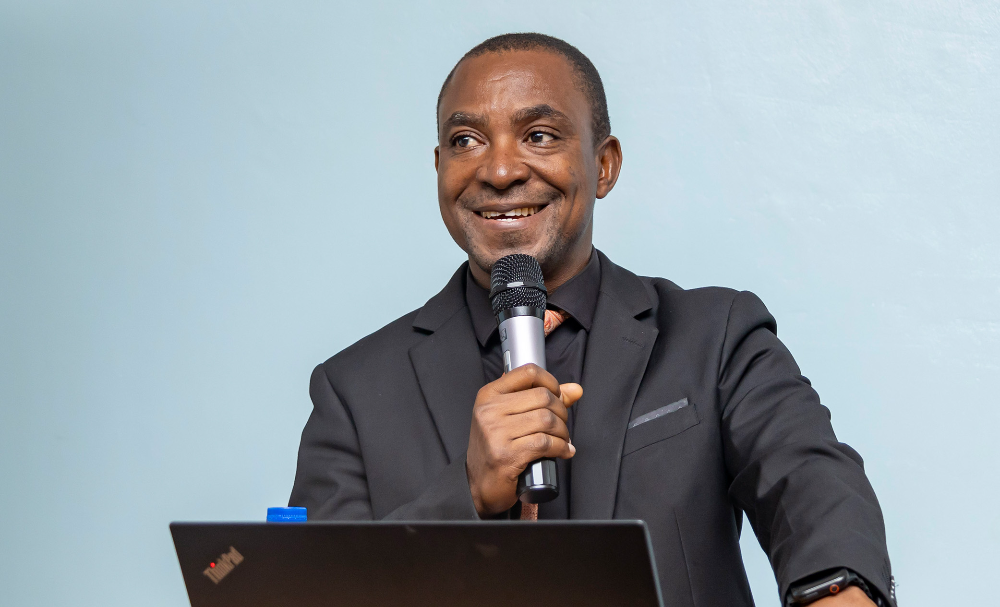
Mr. Amos Ato Eghan, an Accountant at the OGR, emphasised the importance of realistic budgeting and compliance with donor requirements, noting that strong financial planning is essential for developing competitive and implementable grant proposals.
He cautioned participants against common budgeting errors, including inaccurate calculations, inadequate cost justifications and failure to comply with donor requirements.
"Every cost requires a clear justification: why it is needed, how it was calculated and which activity it supports," he noted, stressing that budgets must be transparent, reasonable and aligned with both donor guidelines and institutional policies.
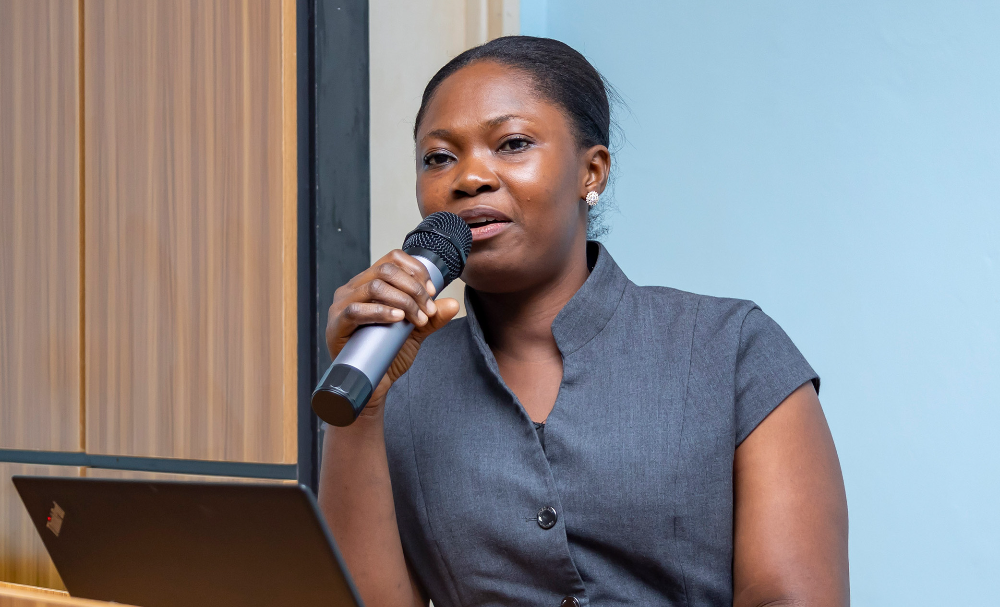
Grants and Research Manager, OGR, Mrs. Patricia Amoah Yirenkyi
Mrs. Patricia Amoah Yirenkyi, Grants and Research Manager at the OGR, highlighted practical digital tools and technologies for effective grant management, including systems for tracking project activities, monitoring budgets, managing documentation, ensuring donor compliance and strengthening reporting processes.
Key tools highlighted included Gantt charts and work plans for project planning, Excel and budget templates for financial management, communication tools such as Microsoft Teams and email, SharePoint and Google Drive for document management, tracking dashboards for monitoring, report templates for reporting and risk registers for risk management.
She noted that effective grants management enhances accountability, funding success and institutional competitiveness, describing Registrars as key partners in research administration.
"Strong research administration is the foundation upon which successful research programmes are built," she stated.