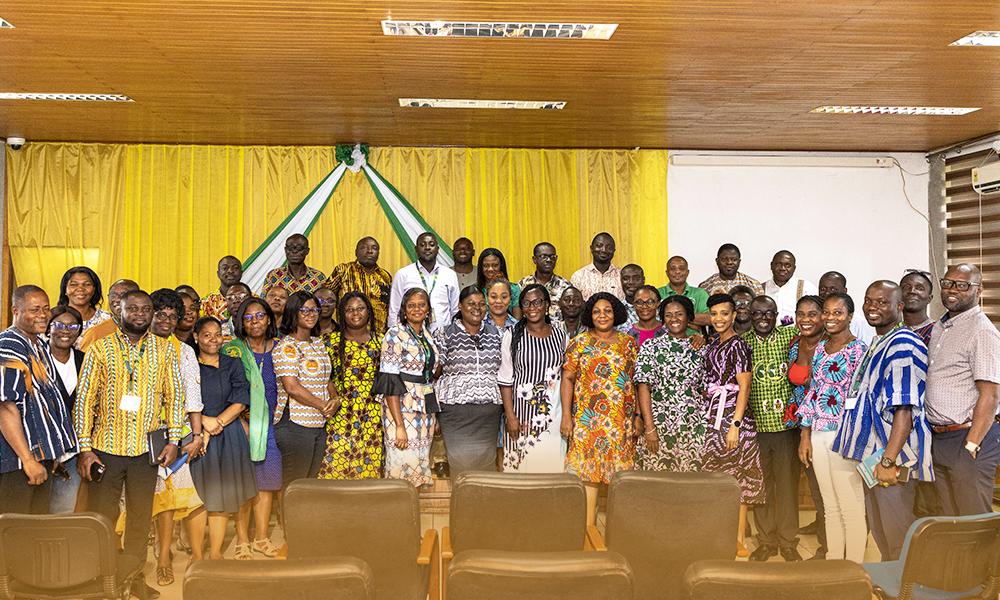

Registrar's Office Strengthens Senior Administrators' Capacity in Grant Proposal Writing
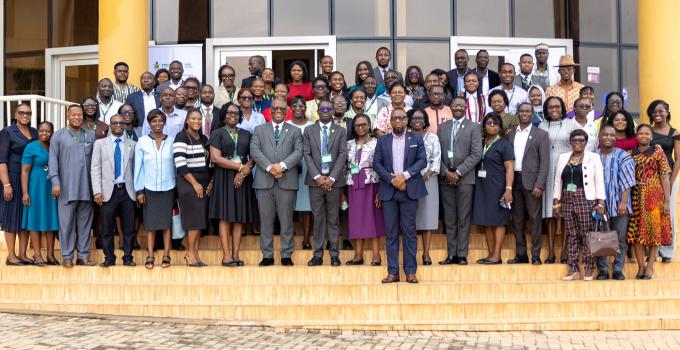
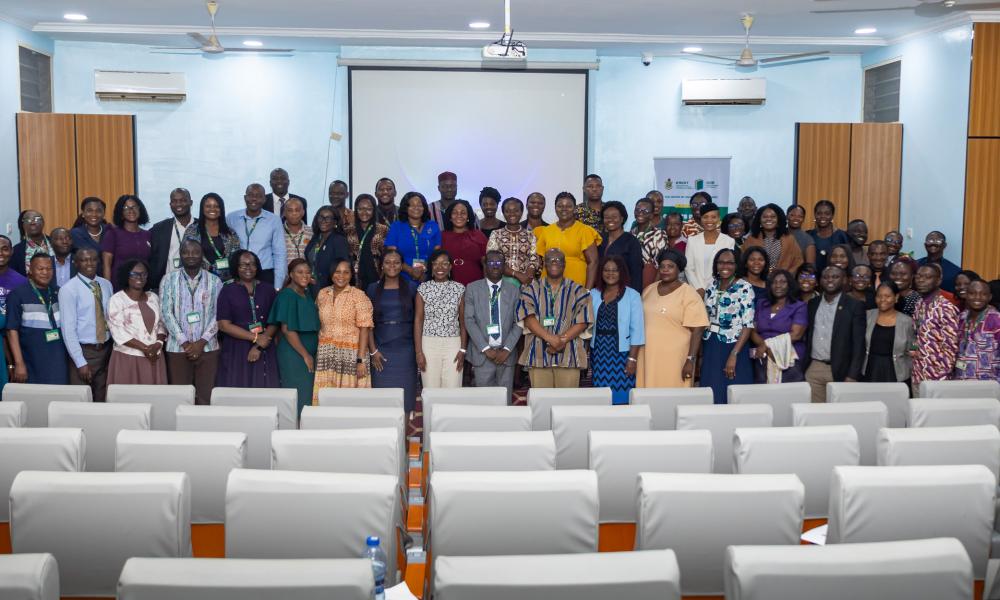
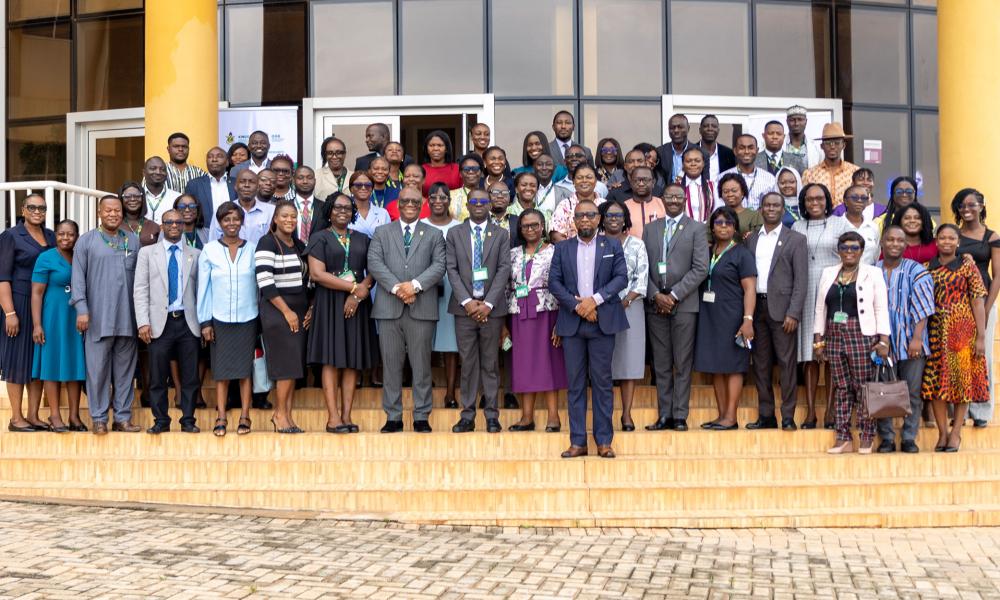
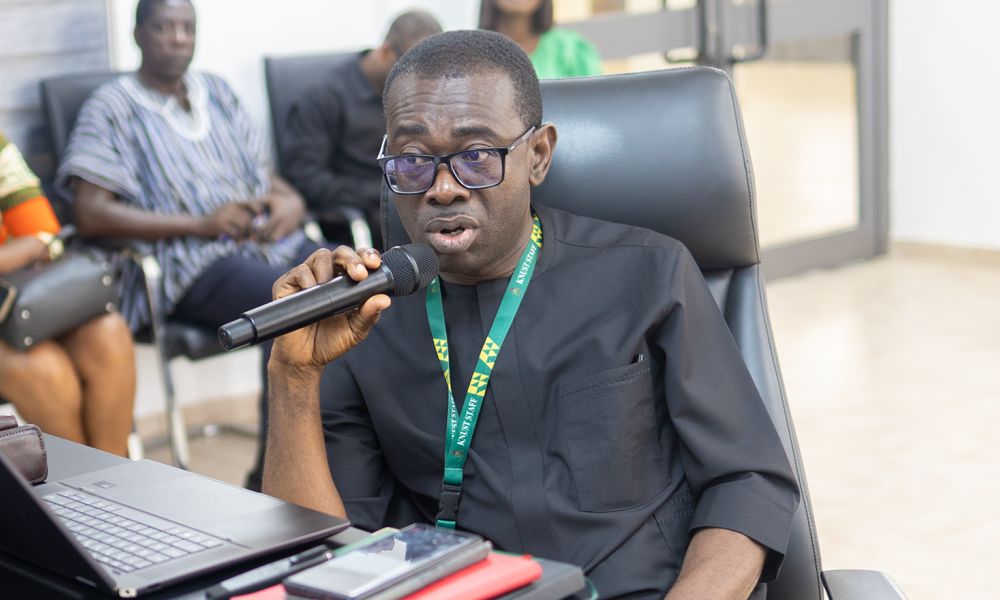
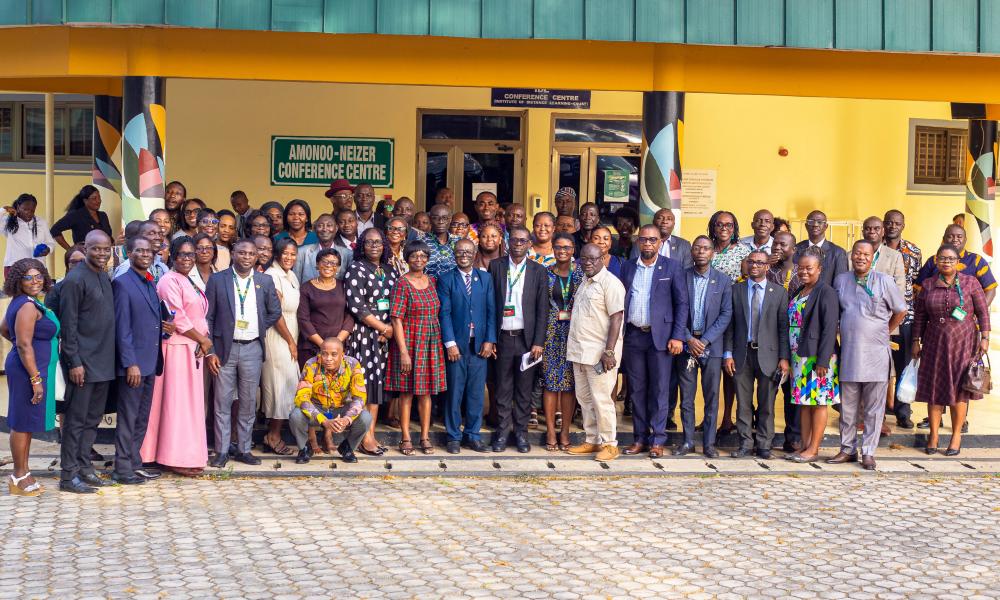
The Registrar's Office of the Kwame Nkrumah University of Science and Technology, Kumasi (KNUST), in collaboration with the Office of Grants and Research (OGR), has organised a two-day grant proposal writing workshop to strengthen the capacity of senior administrative staff in grant acquisition and management.
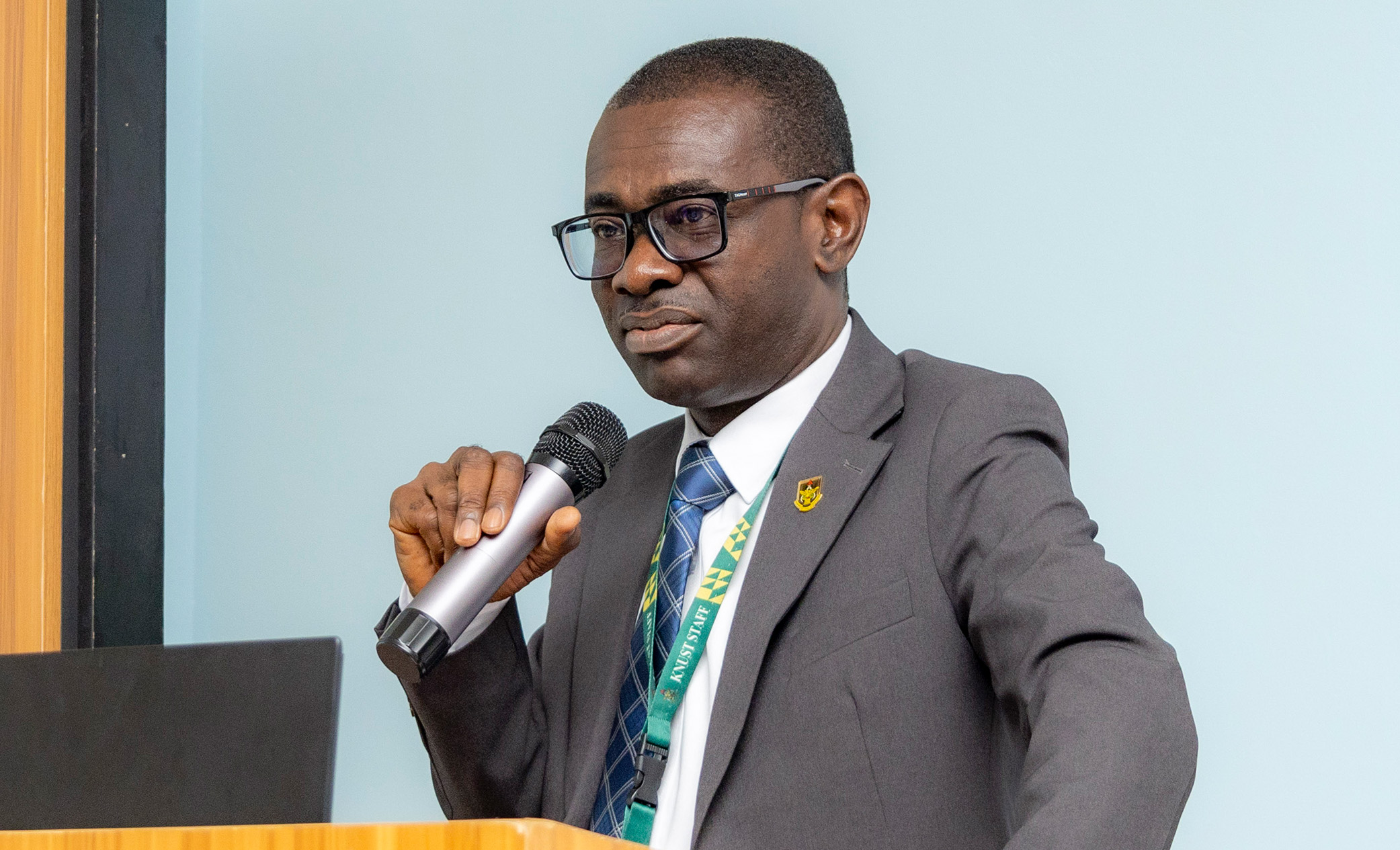
Speaking at the opening session, the Registrar, Mr. Benjamin Boampong Owusu, said universities are increasingly expected to diversify their funding sources to support teaching, research, innovation, infrastructure development and community engagement.
Mr. Owusu noted that while government subventions and internally generated funds remain important, grant funding has become an indispensable avenue for institutional growth and sustainability.
He said effective grant acquisition and management require not only strong academic leadership but also efficient administrative support throughout the grant lifecycle, from opportunity identification and proposal development to project implementation, compliance and reporting.
"As administrators, we are critical partners in ensuring that grant-funded projects are successfully conceptualised, executed and sustained," he said.
The Registrar expressed confidence that the knowledge gained from the workshop would enhance administrators' capacity to attract and manage external funding opportunities.
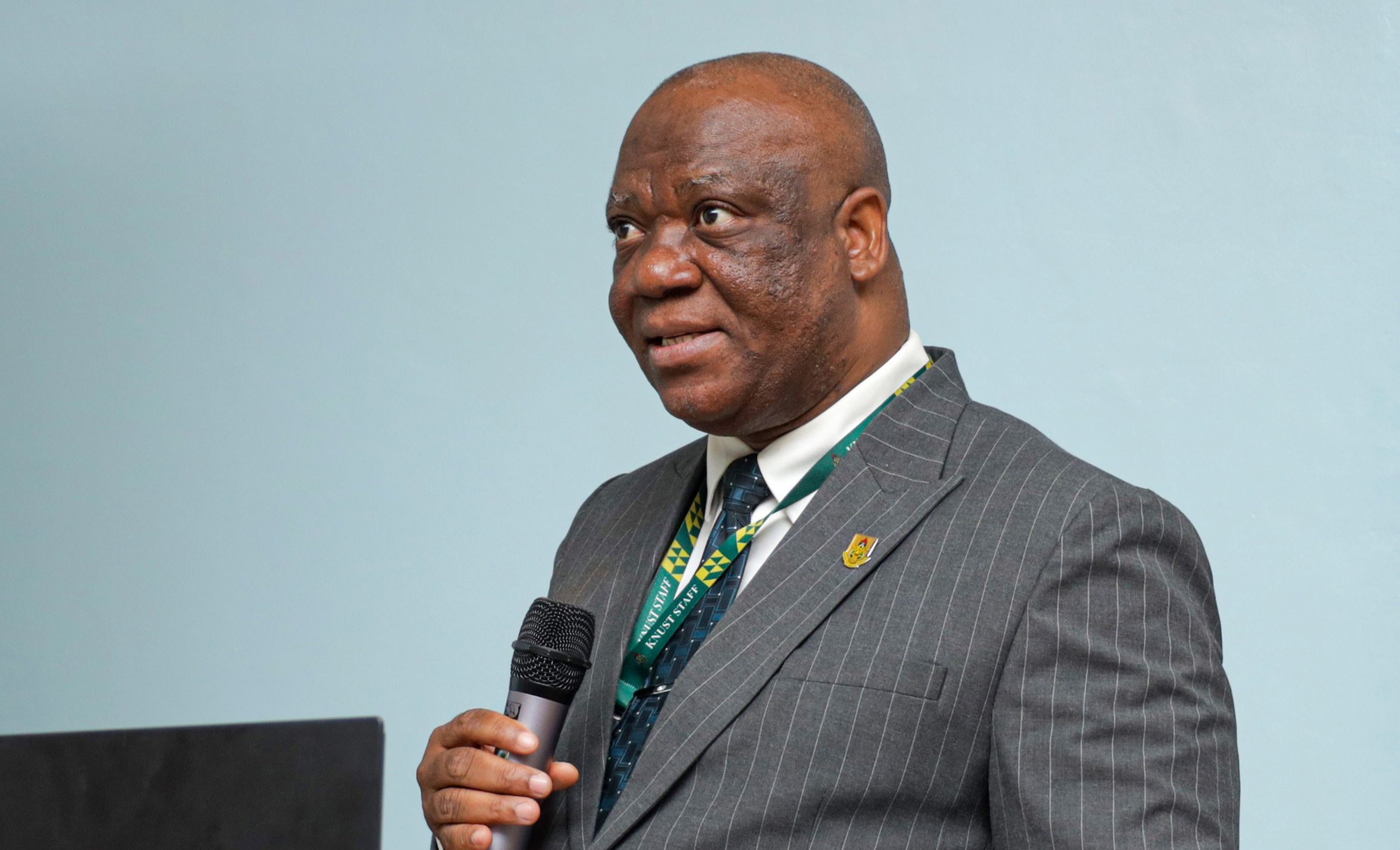
The Director of the Office of Grants and Research, Professor Jerry John Kponyo, said external grant funding remains central to KNUST's strategic ambition of transitioning from "Excellence to Eminence."
He disclosed that between 2020 and 2026, the University secured 302 external grants valued at approximately US$149 million, describing the achievement as evidence that KNUST's journey towards global eminence is well underway.
"Moving to eminence means taking our rightful place as a globally recognized powerhouse that leads the world in breakthrough discoveries and real-world impact. The primary vehicle that will drive us to that final destination of eminence is high impact research funded by substantial grants," he said.
Drawing comparisons with leading global research universities, Professor Kponyo stressed the need for KNUST to strengthen its capacity to attract competitive international grants if it is to compete effectively on the global stage.
"As we develop our statutes to push the agenda from excellence to eminence, what we should be doing is not to collapse OGR and push it under a College but to resource it and build it into a well-oiled machinery to help bring more external grants," he said.
He commended the Registrar's Office for partnering with OGR to build the capacity of administrative staff, noting that successful grant acquisition depends on strong administrative support systems.
"Winning a major grant is never just a job for the teaching faculty or the principal investigators. It requires a flawless team effort," he said.
"Throughout the entire research grant life cycle, Grants Officers, Registrars and Administrators play a vital role. You are the backbone of this process."
According to him, administrators handle the technical, legal and administrative requirements of grant management, protect institutional compliance and ensure effective budget administration.
"Without strong administrative structures and your dedicated expertise, great scientific ideas cannot get funded or properly managed," he added.
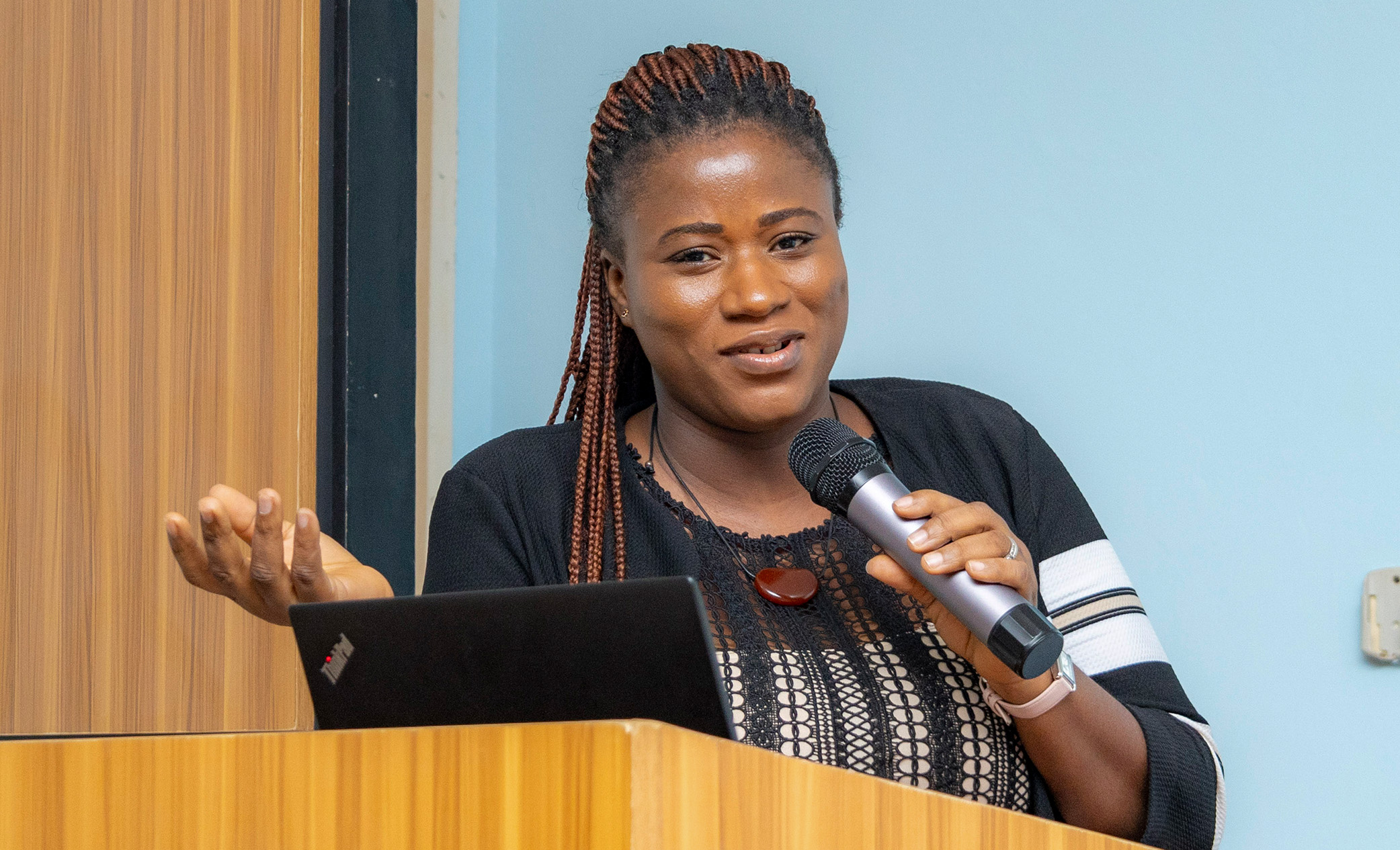
Delivering the first technical session on Introduction to the Research Grant Life Cycle and Funding Opportunities, Mrs. Hannah Adom Eyison, Grants and Research Manager at the Office of Grants and Research introduced participants to the fundamentals of grant acquisition and management.
She explained that grants are funds awarded to individuals or institutions for specific purposes within defined timelines and conditions and require accountability and reporting.
"A grant is not a gift, a loan or free money," she said. "It comes with a purpose, a timeline, specific conditions and clear deliverables that recipients are expected to achieve."
Mrs. Eyison outlined the various stages of the grant lifecycle, including idea generation, funding opportunity identification, proposal development, award management, project implementation, reporting and project closeout.
She encouraged participants to explore funding opportunities beyond academic research, noting that administrative units can access grants for institutional development, professional training, digitisation initiatives, policy development, exchange programmes and capacity-building projects.
The workshop also featured sessions on developing compelling grant proposals, proposal submission requirements and effective collaboration in grant writing, facilitated by experts from KNUST's research and grants ecosystem.
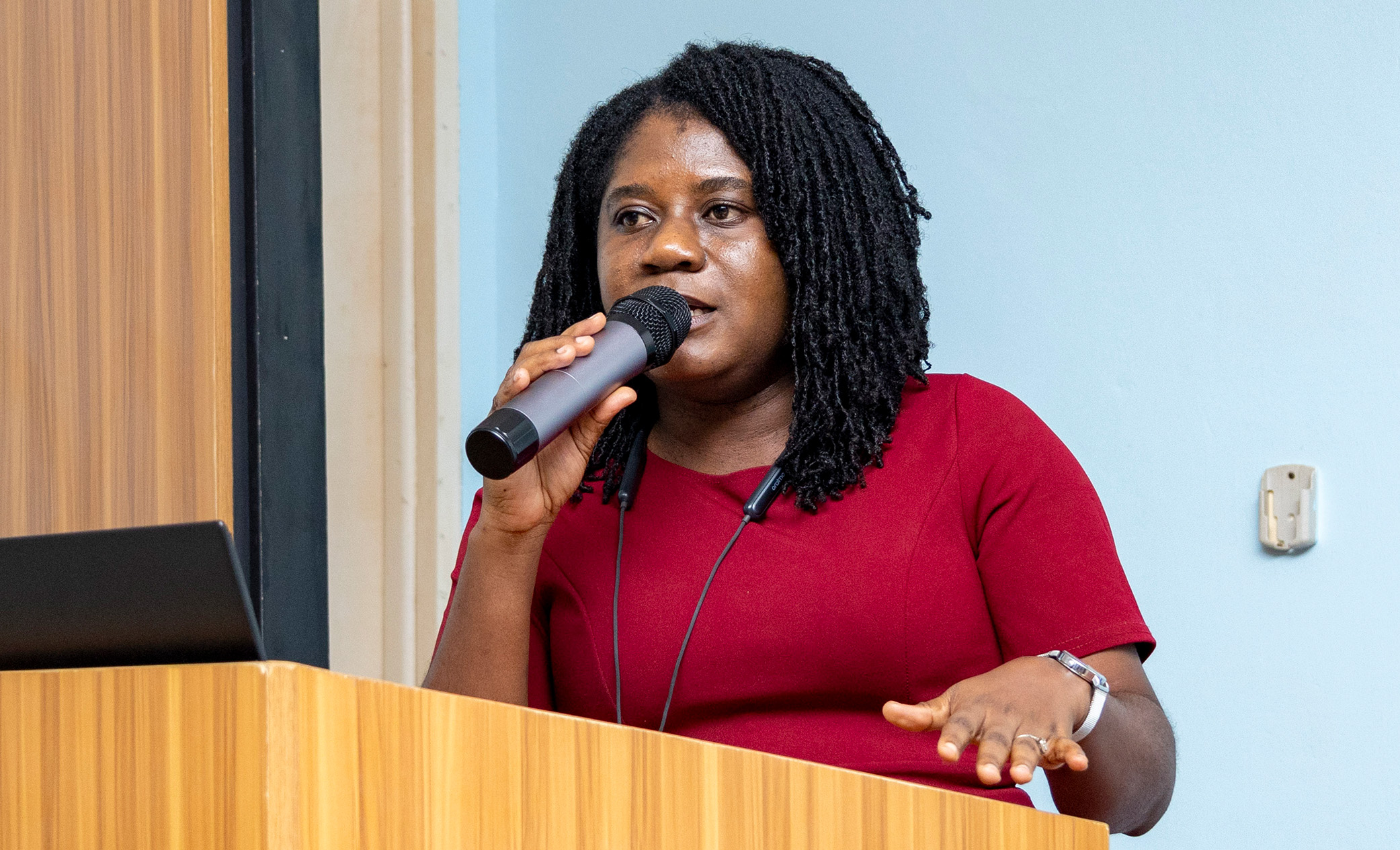
Dr. Linda Nana Esi Aduku, Grants and Research Manager took participants through the technical and administrative requirements for successful proposal submission, highlighting the need for applicants to pay equal attention to both components.
She explained that while the technical requirements focus on the substance of a proposal, including the problem statement, objectives, methodology, work plan, timelines and expected outputs, the administrative requirements ensure the validity, eligibility and compliance of the submission.
According to Dr. Aduku, administrative requirements such as institutional registration details, legal status documentation, authorised endorsements, letters of support, declarations and the completion of all required forms are critical to securing funding opportunities.
Sharing practical experiences on effective collaboration in grant writing, Professor Daniel Ansong emphasised the importance of a shared vision, trust, open communication, accountability and sustainability in building successful research partnerships.
"Collaboration matters because it is more innovative, leads to faster recruitment, and yields greater impact," he said.
Professor Ansong encouraged participants to cultivate strong professional networks and collaborative relationships as a means of enhancing their competitiveness in securing grants and delivering impactful projects.